

Akrapovič BMW M3 E92/E93 Evolution Line Titanium
| Specification | |
| Material | Tytan |
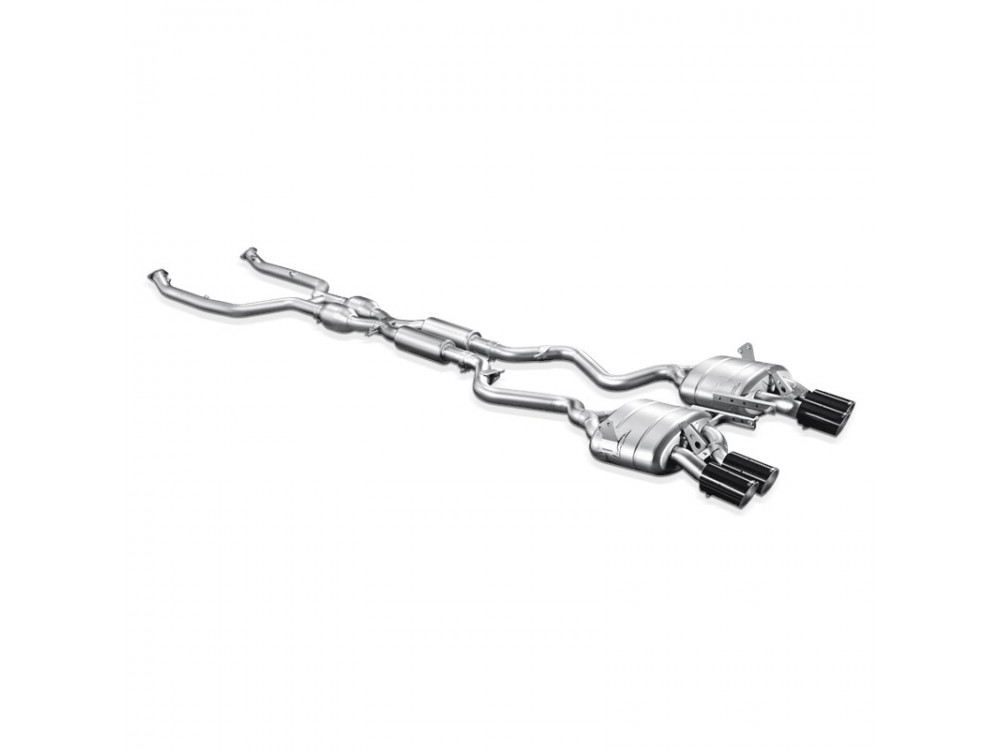
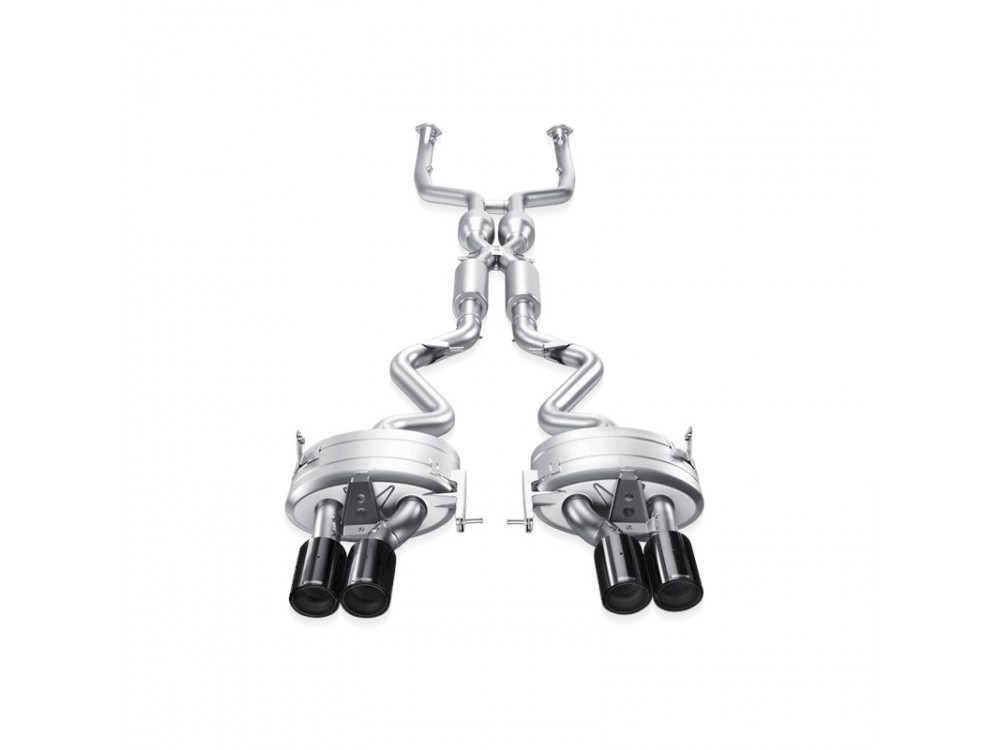
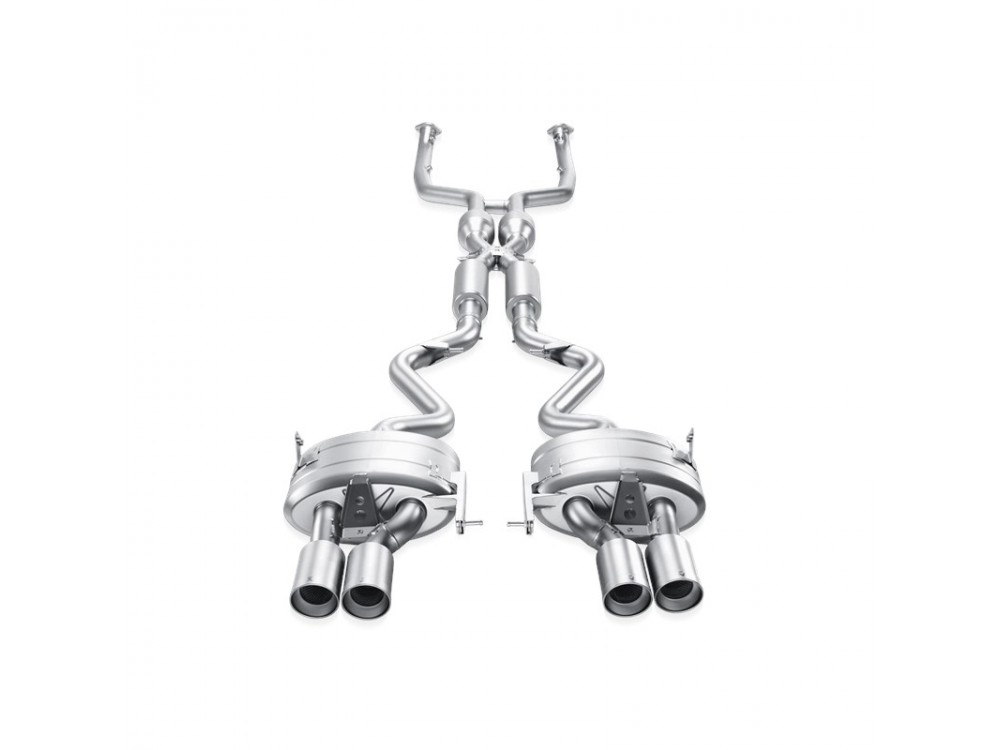
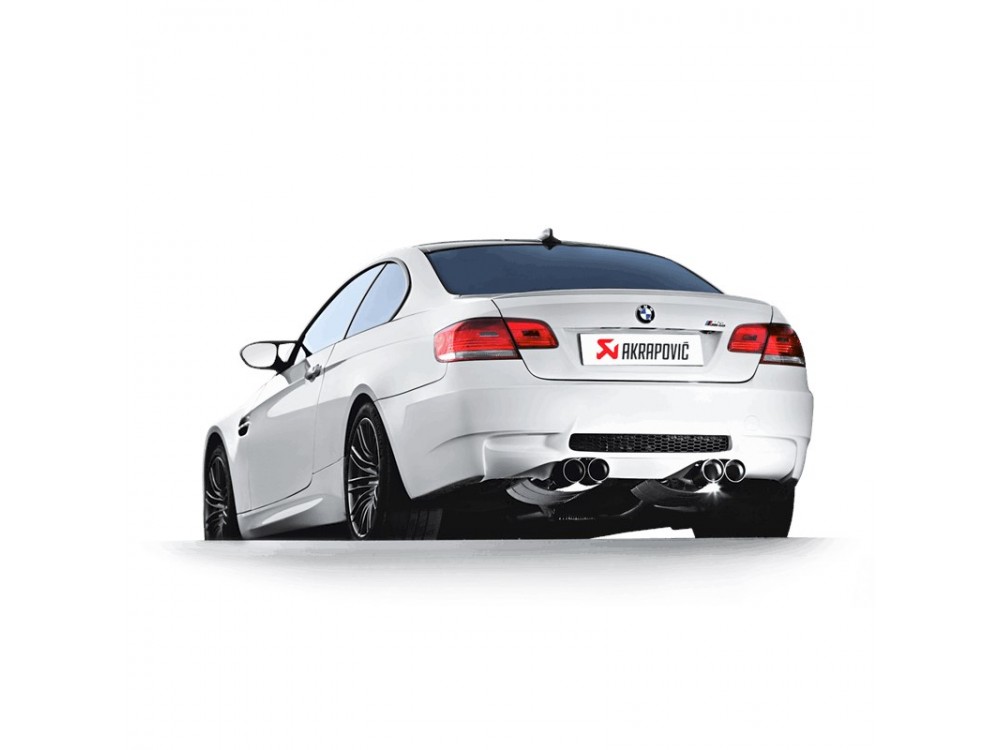
Akrapovič Evolution Line titanium exhaust for BMW M3 E92/E93
Construction and materials
The Evolution titanium kit includes dual-outlet silencers, flow-optimized connecting pipes, and an X-pipe section. This section includes 100 cpsi sports catalytic converters and resonators, which form a complete exhaust path together with the silencers.
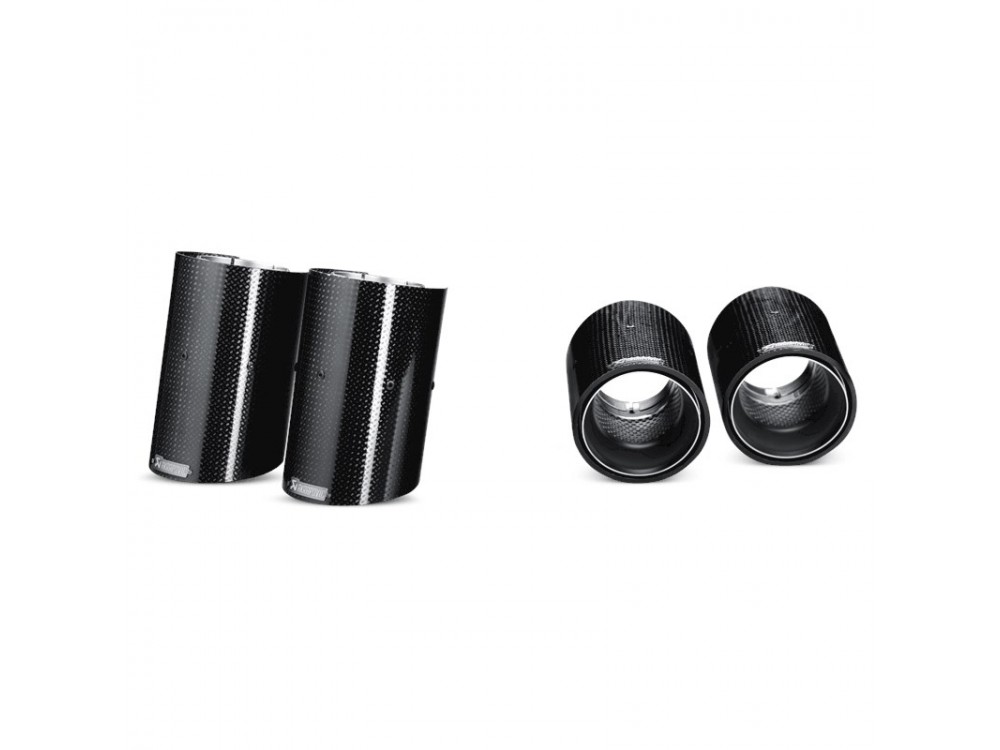
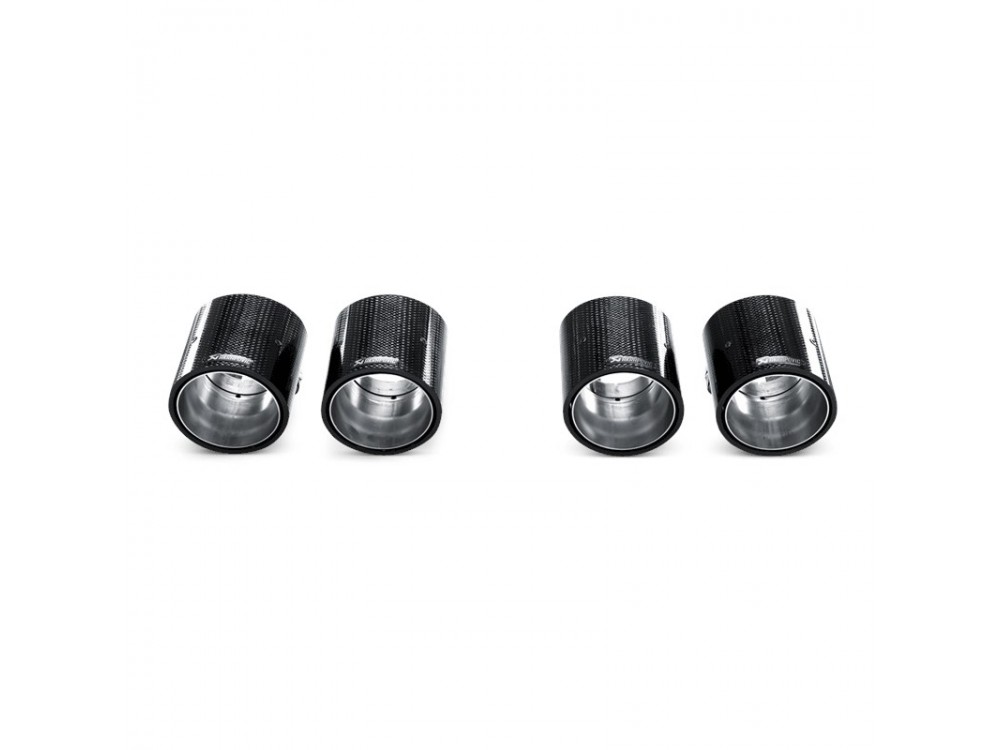
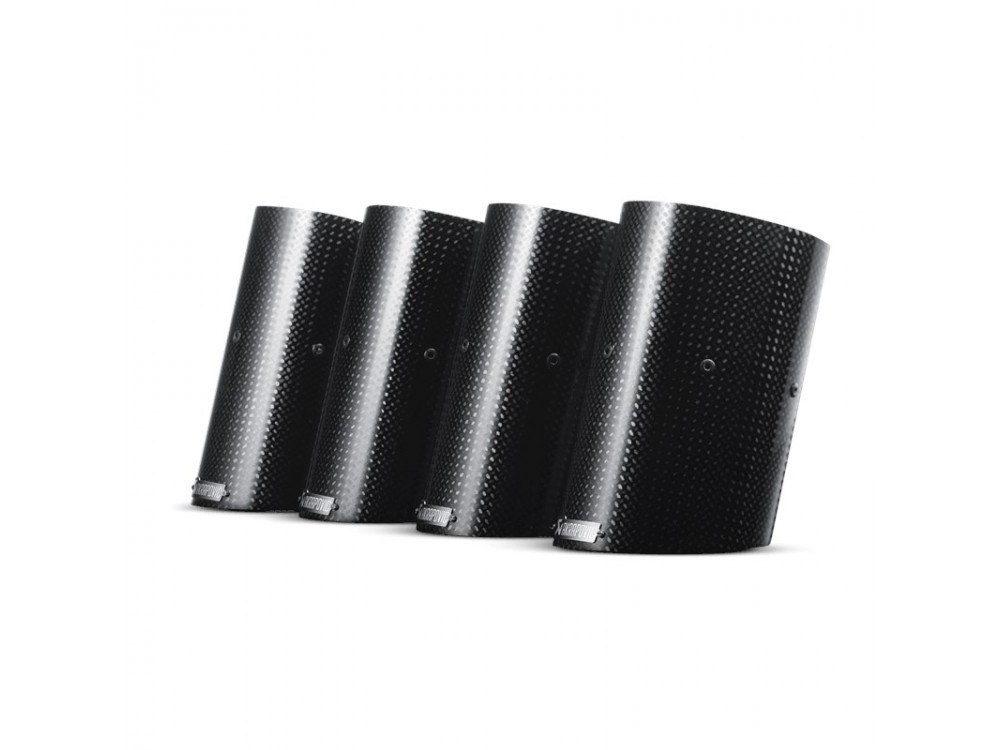
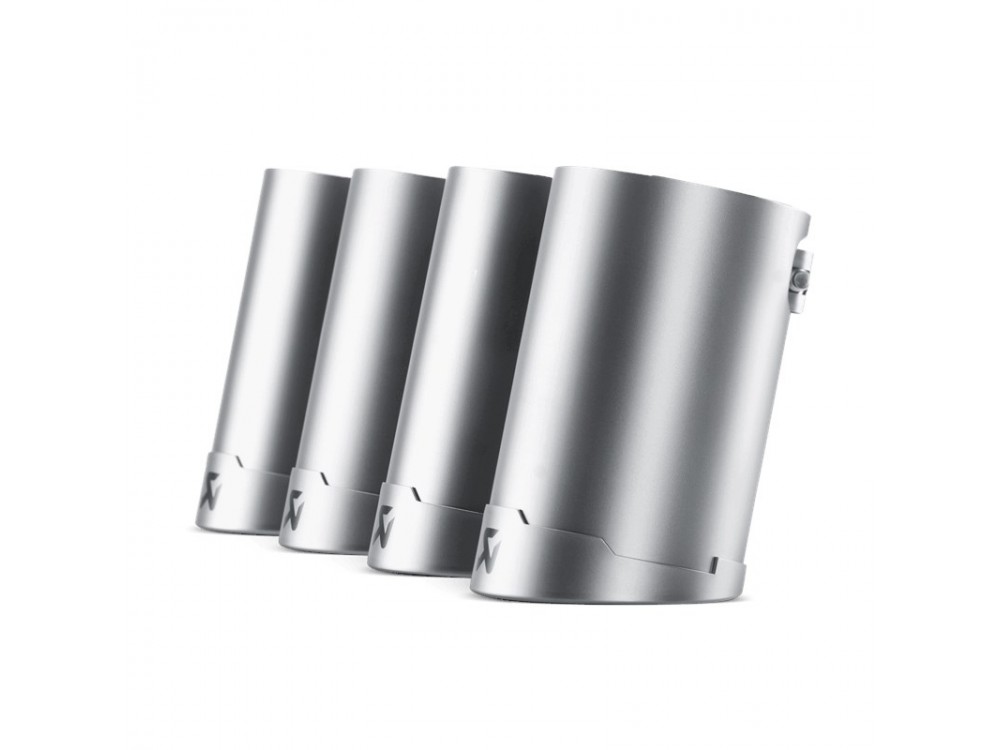
TP-CT/3 carbon tips are handmade and have a diameter of 90 mm. This is a larger format than in the stock solution, emphasizing the presence of a modified chip. An alternative form of finish is titanium tips.
Sound characteristics
Tuning combines a deep, full-bodied rumble when riding at a constant speed with a more aggressive roar under heavy load. The sound clearly changes in intensity as the motor is used.
The X-pipe section, resonators and silencers combine to create the acoustic character of the Evolution. The aim of this kit is to maintain a saturated tone when riding calmly and unleash a sporty character when accelerating.
Parameters by manufacturer
- Power increase: 16,3 kW / 22,2 PS at 5730 rpm
- Torque increase: 34,7 Nm at 4890 rpm
- Weight reduction: 23,9 kg.
Check the exhaust sound
Evolution, BMW M3:
Documents to download
 Diagram – ME-BM/T/2 (PDF)
 Installation Instructions – ME-BM/T/2 (PDF)
Akrapovič creates performance exhaust systems that combine lightweight construction with carefully developed sound. Depending on the application, the brand uses titanium, stainless steel and carbon-fibre components.
An in-house titanium foundry and materials laboratory support control over key stages of exhaust production. Akrapovic is an option for sports car owners who value component weight, craftsmanship and distinctive tailpipe detailing.
Akrapovič quality control includes alloy composition, mechanical properties and weld analysis. Prototype measurements use optical scanning and coordinate measuring equipment. Sound development combines road testing, dynamometer work, flow measurements and acoustic simulations.
History and development. Akrapovič was founded in 1991, with its development rooted in motorcycle racing. Milestones included entering MotoGP in 2002, opening its own titanium foundry in 2009 and adding a second factory in 2014.
The business today. The company now manufactures motorcycle and performance-car exhausts in Slovenia for aftermarket customers and OEM partners. Racing-team support remains part of its operations. Its laboratories, foundry and manufacturing facilities enable materials research and acoustic development to take place within the business rather than relying solely on external suppliers.
| Specification | |
| Material | Tytan |
-

- Product Code: ME-BM/T/2 + TP-CT/3
- 39 604 PLN
- Net price: 32 198 PLN
Delivery time
 |
Depending on the manufacturers' stock levels, the lead time ranges from a few days to several weeks. |
Installation
 |
We offer professional installation at our workshop UNT Tuning Center We invite you to submit an inquiry for a personalized quote. |


